Article
26 Apr 2026
An AI chatbot for your business: is it worth it?
A badly implemented chatbot is worse than having none at all. Find out when an AI chatbot is worth it, where it genuinely helps and where it does more harm than good.
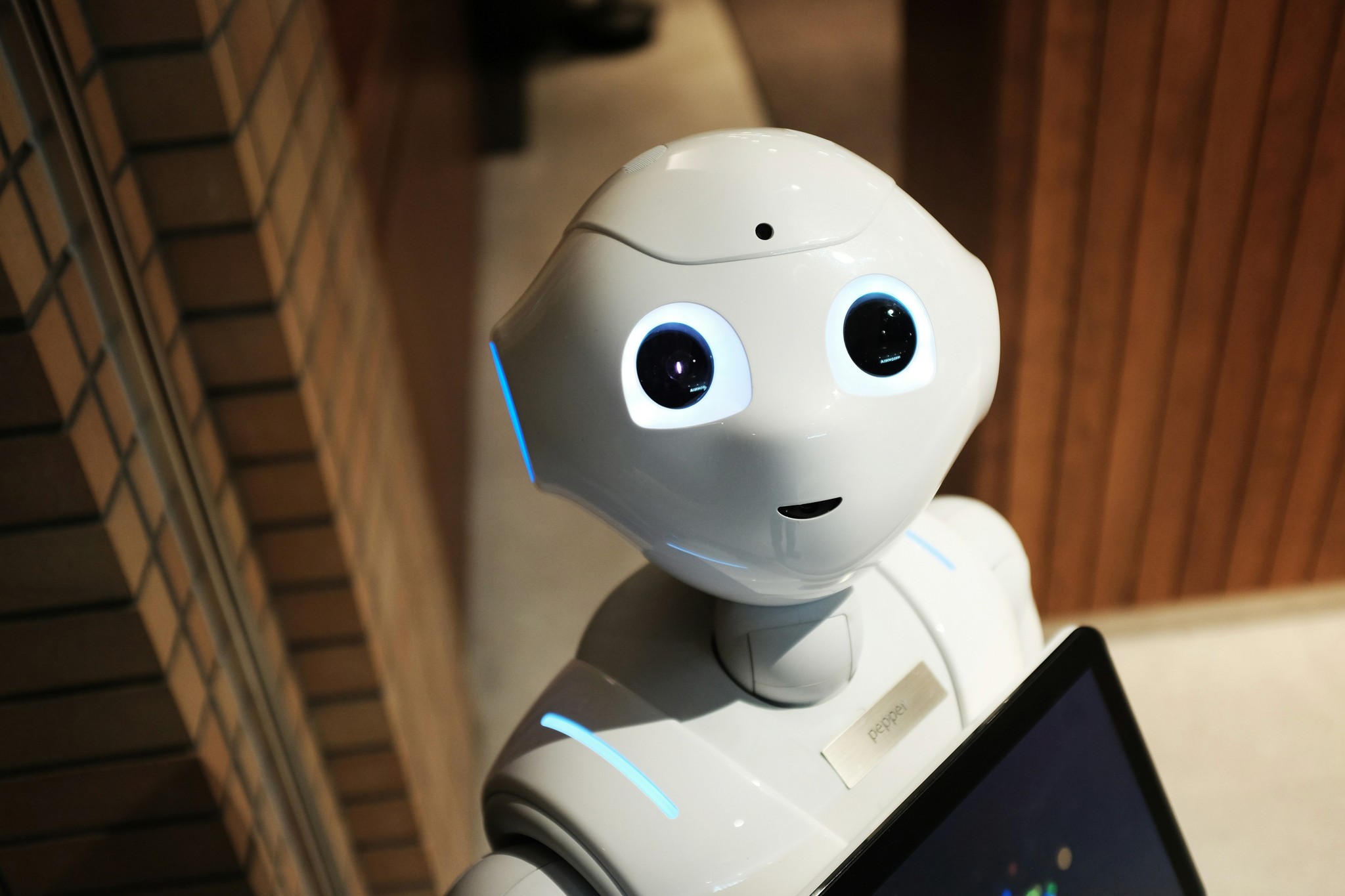
An AI chatbot for your business: is it worth it?
Everyone's talking about chatbots. Some say they'll save your business, others say they're useless and annoy customers. The truth is somewhere in the middle, and it depends almost entirely on how you use one.
Let me be blunt: a badly implemented chatbot is worse than having none at all. But a good one can do the work of a part-time employee, around the clock, with no holidays and without ever forgetting to reply.
An AI chatbot is a program that automatically answers customers' questions on your website, WhatsApp or phone, 24 hours a day, with no human involvement.
What an AI chatbot actually does
An AI chatbot answers questions, collects details from potential clients and, if it's set up well, can book meetings, send quotes or hand the conversation over to a person when the situation calls for it.
The difference from old chatbots, the ones with buttons and canned answers: AI chatbots understand context. If a customer writes "I've got a problem with last week's order", the chatbot understands it's about a previous order and answers accordingly, instead of sending them to a menu with 7 options.
Where chatbots really help
Answering repetitive questions. If your staff answer the same 10-15 questions every day (opening hours, prices, location, delivery times, how the process works), a chatbot can take them over completely. Your employee is freed up for problems that genuinely need human judgement.
Capturing leads outside business hours. A potential client lands on your website at 10 p.m. Without a chatbot, they leave and may never come back. With a chatbot, the conversation gets going, you can take their details and call them the next morning. You've won a lead you would otherwise have lost.
Automated bookings. If your business runs on appointments (a clinic, a salon, consultancy), a chatbot connected to your calendar can book people in directly, with no human involved. The client picks an available slot, gets an automatic confirmation and a reminder before the appointment.
Qualifying leads. The chatbot can ask a few questions before passing the lead to you: what budget they have, what problem they want to solve, how urgent it is. You go into the conversation already knowing the context, rather than starting from scratch.
Where chatbots don't help (and can do harm)
Complex or emotional situations. If a customer is upset or frustrated and has a serious problem, a chatbot that insists on "processing the request" instead of connecting them with a human colleague does more harm than good.
Consultative selling. If your product or service requires a deep understanding of the client's situation before you can make a recommendation, a chatbot can't do that. It can gather information, but the decision has to involve a person.
Situations you didn't anticipate. A chatbot knows what you taught it. If a new situation comes up, or a question with no answer in its knowledge base, it will give vague or wrong answers, and that damages your credibility.
What implementation looks like in practice
The first mistake businesses make: they launch the chatbot with a few generic answers and consider it done. It isn't.
A good chatbot goes through a process lasting a few weeks: you collect the real questions you get from clients, write clear and correct answers, test how it reacts to different wordings of the same question, and adjust it based on what isn't working.
Then you monitor it. Which questions can't it answer? Where do people drop out of the conversation? Where does it give wrong answers? A chatbot isn't a project with an end date, it's something that keeps improving.
What it costs versus what it brings in
A part-time employee who answers messages from your website and social media costs £1,000-1,500 a month. They work 4-6 hours a day, have days off, can be absent, and aren't available at 10 p.m. when a new client gets in touch.
A well-implemented chatbot costs less in the long run, is available around the clock and answers consistently, not better one day and worse the next depending on its mood.
That doesn't mean it replaces a person entirely. It means your person deals with things that really need judgement, not with answering "what are your hours on Friday?".
Conclusion
If your business gets lots of repetitive questions, loses leads outside business hours or relies on bookings, an AI chatbot is worth serious consideration. If your main way of selling is complex, consultative conversation, the chatbot is a support tool, not a sales tool.
Done well, it becomes one of the most effective tools you can add to a small or medium-sized business.
Frequently asked questions
1. How much does an AI chatbot cost?
Implementing a chatbot for a small business starts at around £450, depending on complexity and the platforms it needs to work on.
2. Can a chatbot replace an employee?
Partly. It takes over repetitive questions and answers around the clock, but it doesn't replace human judgement in complex or emotional situations.
3. Which platforms does an AI chatbot work on?
It can work on your website, WhatsApp, Facebook Messenger, Instagram or by phone, depending on where your clients are.
4. How long does it take to implement a chatbot?
A basic implementation takes 2-4 weeks. A complex one, with CRM and calendar integrations, can take 6-8 weeks.
5. What happens if the chatbot doesn't know the answer?
A well-configured chatbot automatically hands the conversation over to a person when it doesn't have an answer, instead of giving vague replies.